An inventory of Caravaggio’s household contents was drawn up when his tenancy ended abruptly in August 1605 … Reading it is like leafing through a dossier of arbitrarily cropped and framed snapshots of the things a man once owned – the furniture he sat on, the weapons with which he fought, the books he read, the tools he used. But all the photographs are just a little out of focus. Crucial details are missing and there is no one to fill in the gaps.[1]
—Andrew Graham-Dixon
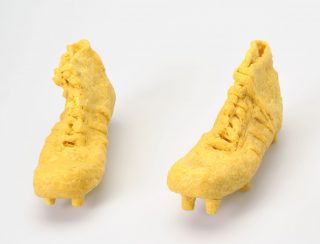
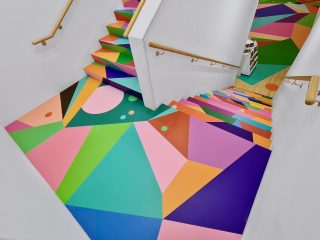
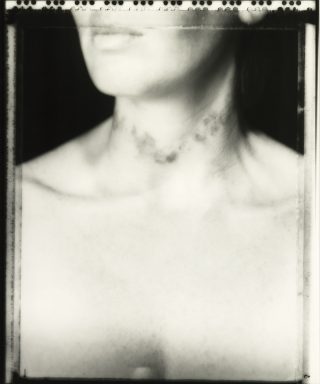
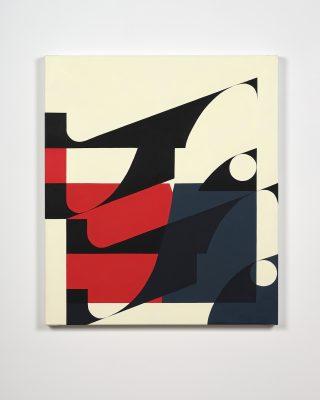
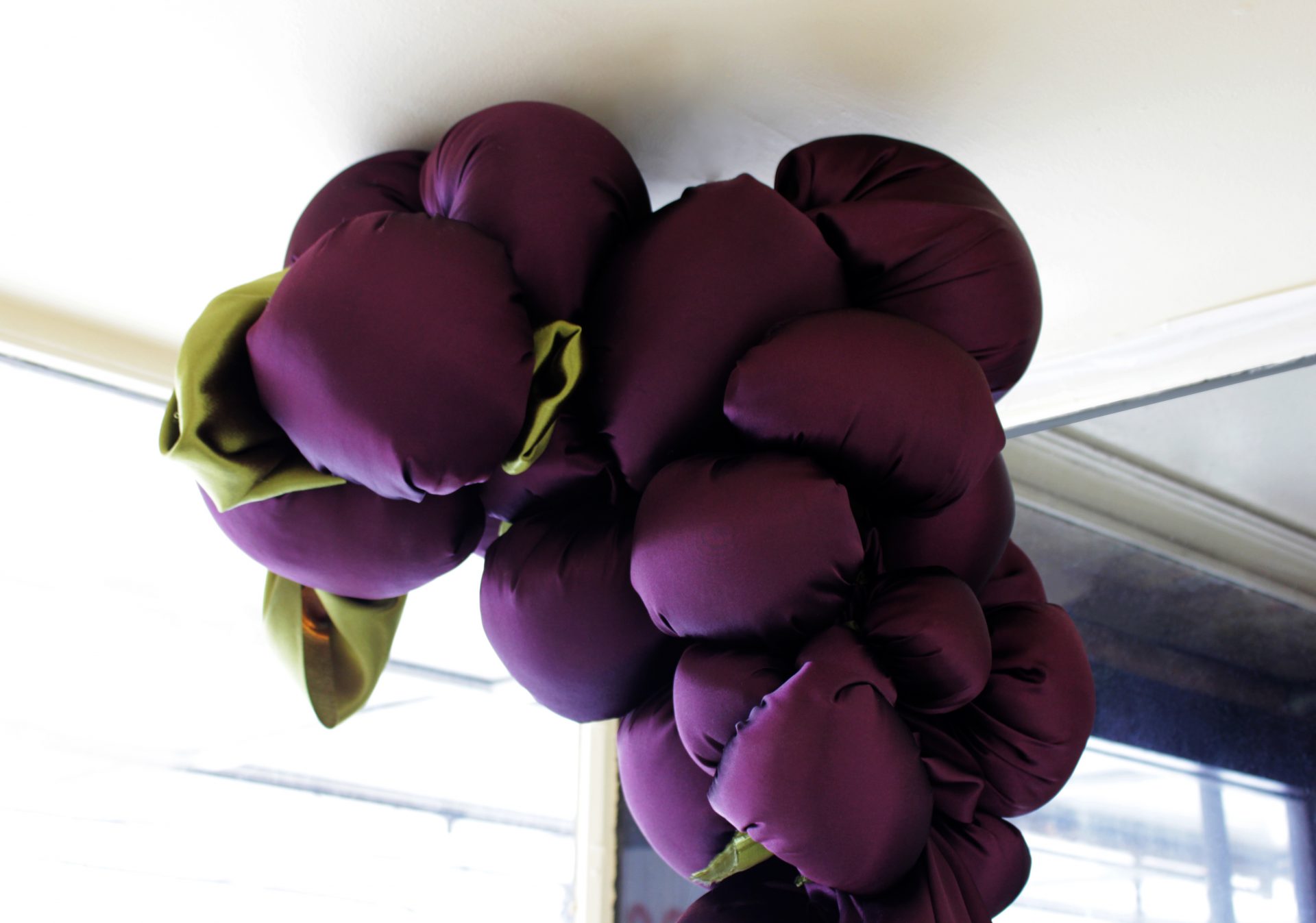
The above quotation seems a fitting place to start a discussion of Cushla Donaldson’s recent exhibition Public Dream: Liquidation. Occupying the store frontage on Karangahape Road that is the artist-run initiative Rockies, the show was dedicated to the former staff of a nearby Dick Smith store, laid off when the chain went into receivership. The inventory referred to by Graham-Dixon notes items owned by the great Italian painter Michelangelo Merisi da Caravaggio (1571–1610) and seized by his landlady, Prudentia Bruni, in lieu of unpaid rent. It took pride of place in Donaldson’s display, picked out in elegant gold lettering on three glass panels mounted on (equally elegant) unstained rimu bases.
*
Continue reading on CIRCUIT Artist Film and Video Aotearoa New Zealand.
Public Dream: Liquidation
Cushla Donaldson
15 April to 8 May 2016
Rockies
Tāmaki Makaurau Auckland
[1] Andrew Graham-Dixon, Caravaggio: A Life Sacred and Profane (London: Allen Lane, 2010), 271.